Lilac trees are very similar to lilac bushes, except that they grow more upright and have a wider trunk. Lilac trees can grow to a height of thirty feet, and usually have a rounded, upright shape. The most common of the lilac trees is the Japanese lilac tree. The Japanese lilac tree is hardy to zones three through seven. The heart shaped leaves of this lilac tree are dark green and deciduous.
The flowers of lilac trees are similar to those on lilac bushes, but generally have smaller individual blossoms.
Lilac trees should be protected from damage caused by wind and other natural sources, as well as human damage. This is because lilac trees take a fairly long time to recover from damage. Their wood is softer than that of some of the larger trees, and can therefore be damaged more easily. They have fragrant blooms, and will provide a good amount of shade.
They should be planted in a location of full sunlight, just like all other lilacs. When pruning, it is important not to remove too much from a lilac tree, as this will likely reduce the flower output the following year. When cared for properly and given the proper growing conditions, they can easily survive for nearly one hundred years.

colcannon
- 3-4 russet potatoes (about 2 pounds), peeled and cut into large chunks
- Salt
- 5-6 Tbsp butter (with more butter for serving)
- 3 lightly packed cups of chopped kale, cabbage, chard, or other leafy green
- 1 cup milk or cream
- optional: garnish with parsley
 1. Put the potatoes in a medium pot and cover with cold water by at least an inch. Add 2 tablespoons of salt, and bring to a boil. Boil until the potatoes are fork tender (15 to 20 minutes). Drain in a colander.
2. Return the pot to the stove and set over medium-high heat. Melt the butter in the pot and once it's hot, add the greens. Cook the greens for 3-4 minutes, or until they are wilted and have given off some of their water.
3. Pour in the milk or cream, mix well, and add the potatoes. Reduce the heat to medium. Use a fork or potato masher and mash the potatoes, mixing them up with the greens. Add salt to taste and serve hot, with a slice of butter in the center. Optional - garnish with parsley.
zinnia - a favorite in my garden
Zinnias are a one of the gardening world's most popular and versatile flowers. Native to Mexico, there are many varieties, big and small. Zinnia are members of the Daisy family, and are easy to grow. Profusely blooming plants, come in a wide range of colors. There are miniature and giant varieties ranging in size, from about a foot for miniatures, to giant varieties that can grow over three to four feet tall. Flowers will bloom from mid-summer all the way until frost. There is a profusion of colors, multicolor, and hues. Colors include, white, yellow, orange, red, rose, pink and multicolored blooms.
 Grow Zinnia plants in full sun. Zinnias like rich, well drained soil, but are somewhat tolerant of average to slightly poor soils. Mix in plenty of compost prior to planting. Add a general purpose natural organic fertilizer at planting time, and once a month during the growing season.
Larger varieties look good at the back of the flower garden. Dwarf varieties fit well as borders, edging, or planted in mass. Try the smaller varieties in a windowsill planter, or in containers on your patio or deck.
Propagation:
Zinnias are grown from seed. Zinnia seeds can be directly seeded into your flower garden, or seeded indoors for transplanting later. Start seedling indoors 6-8 weeks before the last frost in your area.
How to Grow Zinnia Plants:
 Grow Zinnia plants in full sun. Zinnias like rich, well drained soil, but are somewhat tolerant of average to slightly poor soils. Mix in plenty of compost prior to planting. Add a general purpose natural organic fertilizer at planting time, and once a month during the growing season.
Sow Zinnia seeds early in the season and cover lightly with soil. Then water thoroughly. They germinate easily, and will grow quickly.
Transplant Zinnias into your garden after the last frost date for your area. Spacing depends upon size with miniature varieties spaced four to six inches apart, and Giant varieties one to two feet apart.
Once your Zinnia plants are established, they should grow well. Soil should be moist, but not wet. Water them during dry periods.
Add mulch around the plants for appearance, to help maintain moisture and to keep weeds down.
Remove dead flower blooms to encourage new growth and new blooms. Improve appearance of Giant Zinnias by trimming back stems that have grown long or gangly, but do not over trim them.
Cuttings for Indoors:
Cut and bring them indoors and place in water immediately.
For miniatures, use a small container or vase and cut stem a couple inches long. Bunch up a variety of colors for an eye-appealing arrangement.
cucumber herb salad
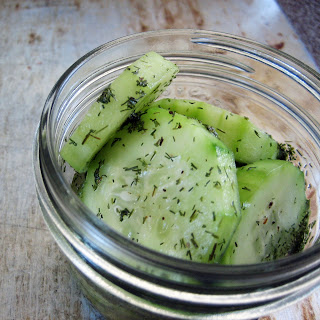
- 1-2 large cucumbers (or 4-5 lemon cucumbers), peeled, quartered lengthwise, then sliced crosswise
- 1-2 Tbsp chopped fresh dill or basil
- 2-3 Tbsp seasoned rice vinegar
- Salt and pepper to taste
Combine all ingredients in a bowl, toss to coat. Serve immediately, or make ahead (up to a couple of hours) and chill.
fiber optic grass
Fiber Optic Grass is a neutral grass. Where temperatures get colder than 20 degrees F, the plants should be treated as annuals. Once the grass turns brown it can either be removed immediately or removed in the spring. It should not be expected to live through the winter and begin growing again in the spring.
In areas where winter temperatures remain above 20 degrees it should be considered a perennial and the following information should be useful. Evergreen or neutral grasses are usually plants that look like grasses but aren't actually classified as grasses, they are generally called grass-like plants.
Divide evergreen or neutral grasses and grass-like plants in spring only.
Characteristics:
 Adaptable as a Houseplant
Deadheading Not Necessary
Grass
Heat Tolerant
Low Maintenance
Water Plant
Best Uses:
Container Plant
Near Water Gardens or Ponds
Accent Plant
Border Plant
Mass Planting
Hardiness:
Sunset zones: 7-24
USDA zones: 8-10
Mature size:
Height: 6-12 inches (15-30 cm)
Width: 20 inches (50 cm)
Flowering period:
All year
Flowering attributes:
Silvery/white flower heads born on the end of green stems.
Leaf attributes:
Threadlike, green stems.
Growth habit:
Clump forming
Light:
Full sun to partial shade
Soil:
Moist
Propagation Methods:
Division in early spring
In areas where winter temperatures remain above 20 degrees it should be considered a perennial and the following information should be useful. Evergreen or neutral grasses are usually plants that look like grasses but aren't actually classified as grasses, they are generally called grass-like plants.
Divide evergreen or neutral grasses and grass-like plants in spring only.
Characteristics:

Deadheading Not Necessary
Grass
Heat Tolerant
Low Maintenance
Water Plant
Best Uses:
Container Plant
Near Water Gardens or Ponds
Accent Plant
Border Plant
Mass Planting
Hardiness:
Sunset zones: 7-24
USDA zones: 8-10
Mature size:
Height: 6-12 inches (15-30 cm)
Width: 20 inches (50 cm)
Flowering period:
All year
Flowering attributes:
Silvery/white flower heads born on the end of green stems.
Leaf attributes:
Threadlike, green stems.
Growth habit:
Clump forming
Light:
Full sun to partial shade
Soil:
Moist
Propagation Methods:
Division in early spring
jewel will host 'the incurables'
Jewel has signed on as the host of the third season of "The Incurables," Veria TV's series about patients who have become passionate advocates of natural lifestyles after overcoming life threatening illnesses.
Veria is a network with programming that covers holistic health and natural wellness. The new season of "The Incurables" will feature 13 episodes and will premiere in late summer 2011.
Veria is a network with programming that covers holistic health and natural wellness. The new season of "The Incurables" will feature 13 episodes and will premiere in late summer 2011.
cilantro pesto

- 2 cups, packed, of cilantro, large stems removed
- 1/2 cup blanched almonds
- 1/4 cup chopped red onion
- 1/2 teaspoon chopped and seeded serrano chile pepper
- 1/2 teaspoon Kosher salt
- 1/4 cup olive oil
Subscribe to:
Posts (Atom)